Interview
The Unfaded Legacy of Dave Gardner

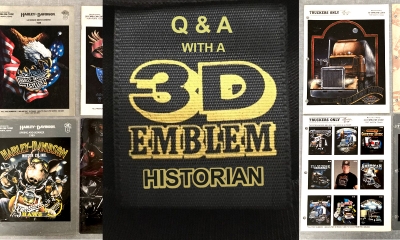
The Indelibles celebrates T-shirt artists—the ones whose work rarely hangs in galleries, but endures on torsos, lives in closets, and becomes gold when discovered on a thrift rack. T-shirt art is often unfairly dismissed as commercial ephemera, too accessible to be taken seriously. Our first artist, Dave Gardner, never asked for recognition. He earned it—one perfectly layered, game-changing print at a time.
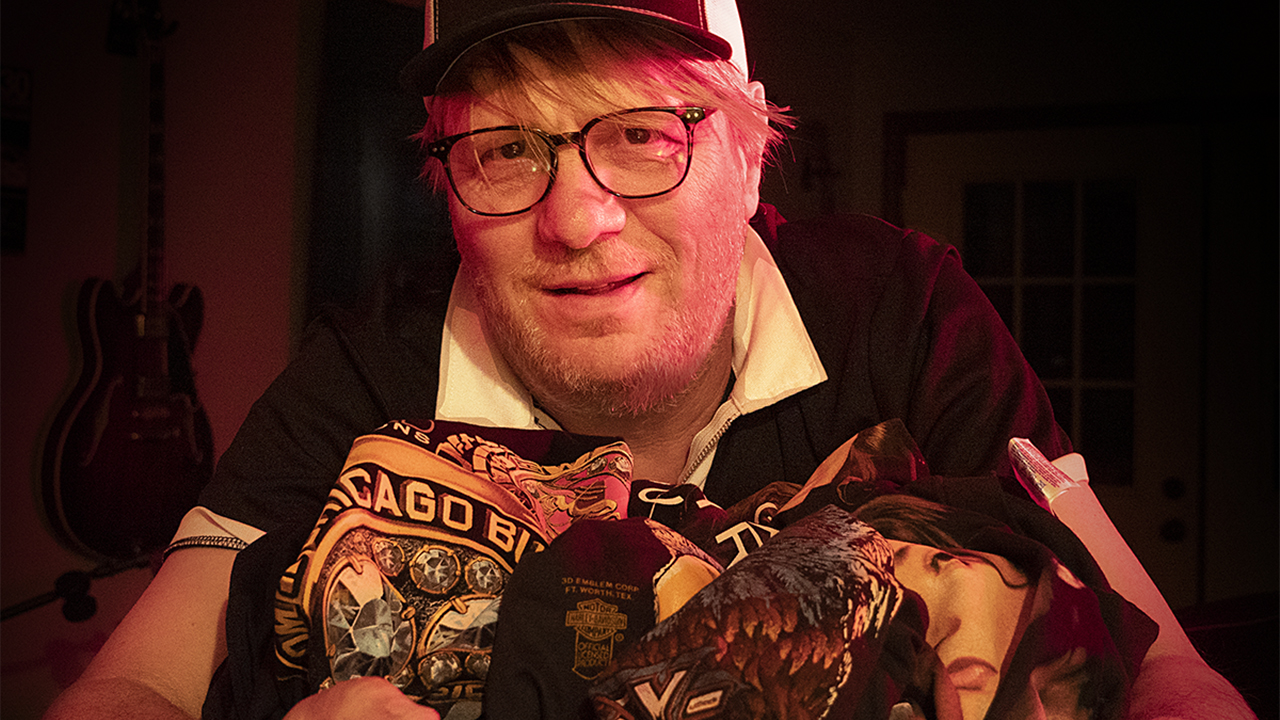
If you’ve ever pulled an old T-shirt off the racks at a thrift store, only to pause and marvel at the art—bold, layered, impossibly detailed—there’s a good chance you’ve seen the hand of Dave Gardner. Whether it was a biker tee from the ‘80s, a stadium-ready NFL print, or a high-end concert tee design sold at the venue, Gardner’s fingerprints are all over the modern history of screen printing. But his legacy goes beyond the ink—it lives in the stories, the innovation, and the generosity of a guy whose warmth and work ethic made him not just respected, but beloved.
There were many little signs that this interview was meant to happen. Like when I wore a vintage Body Graphics tee that Dave had forgotten he’d even worked on—or when he mentioned Kirstie Alley wearing one of his pieces in People magazine, and I happened to be wearing a Cheers tee. Sometimes the registration lines up perfectly.
Dave’s the kind of guy you don’t just want to learn from—you want to hang out with him, talk shop, and try to convince him to do one more design.
Early Sparks
Like many artists of his generation, Dave Gardner’s early years were steeped in comic books and MAD Magazines. His mother, delighted that he was reading anything at all during a childhood injury, kept him stocked with Mad and Cracked instead of textbooks. His first real exposure to art, though, came from family.
His older brother Tom and cousin Fritz were the real talents, as he tells it—and Dave was just trying to keep up. But tragedy struck when his brother died by suicide at 17. The loss etched itself deeply into Dave’s path.
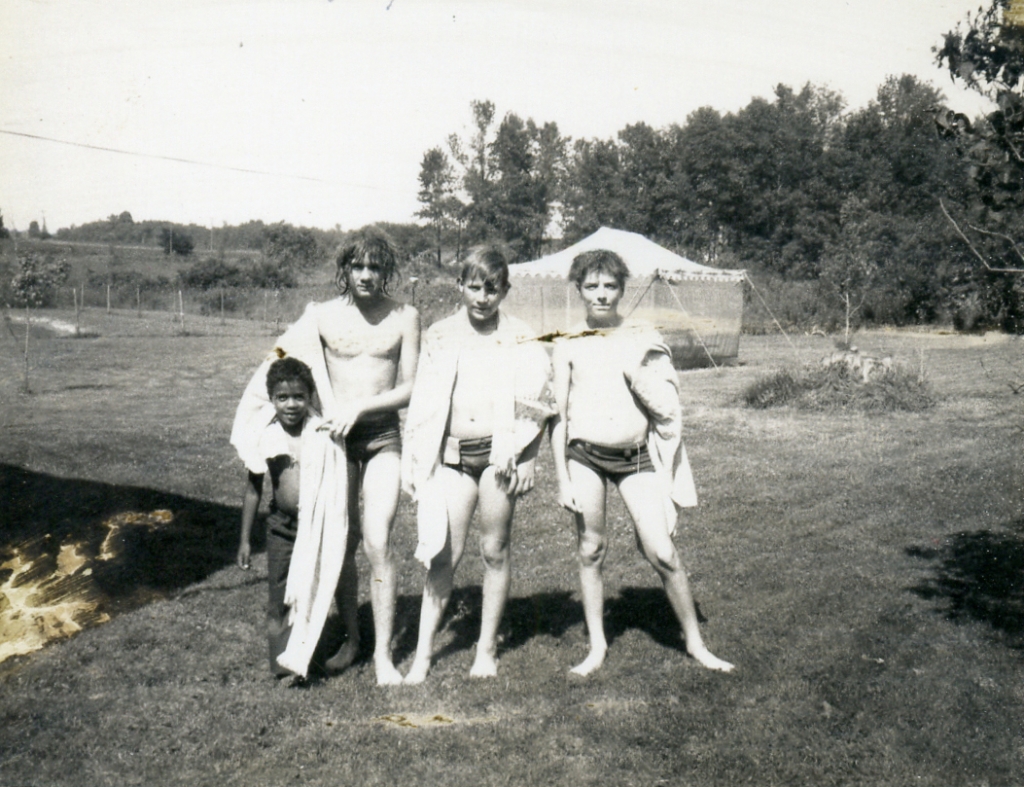
Dan, Fritz, Dave & Tom
When talking about his brother’s memory, Dave pauses and has a moment of realization. “Holy shit. Was that my motivation?” he said. “Maybe it was. Like, he quit—and I thought, well… I’m gonna do this.”
That fire drove him through a graphic arts program and into the sign-making world. It was amid that era that he found his most influential mentor: Frank Palmer.
Frank was a local legend. A master pinstriper, a biker with a sense of theatre, and possibly armed. Frank worked at a sign shop where Dave would hang out after class. Watching him work was like watching magic. Frank would steady his hand, pull a perfect line, and casually ask you about the weather while dragging a brush across a car door without looking.
But more than technical skill, Frank had swagger. When a customer asked to see samples of his work, Frank didn’t flinch—he just leaned in and said, “I’m the fuckin’ best there is.” Dave never forgot it. He didn’t just want to be good. He wanted to be that guy.
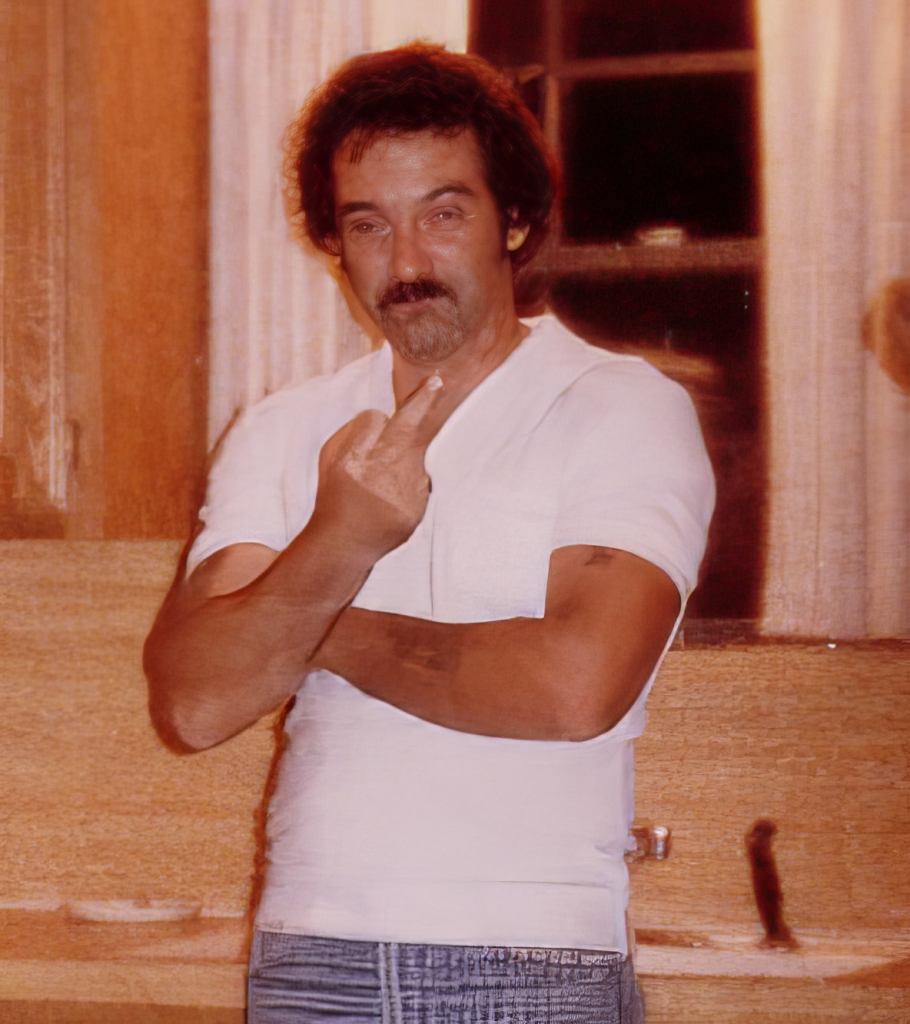
Frank Palmer, Dave’s #1 Inspiration
The First Kit
At 15, Dave’s parents gave him a home screen printing kit—a frame, emulsion, some ink, and a lightbulb in a pie plate. He made his own Ace Frehley shirt and wore it to school. When people asked where he got it, he just said, “I made it.” That reaction—the recognition, the originality—was addictive.
Even back then, Dave didn’t want to copy. He didn’t print for friends. The point was having something no one else had.
That DIY spirit never left him.
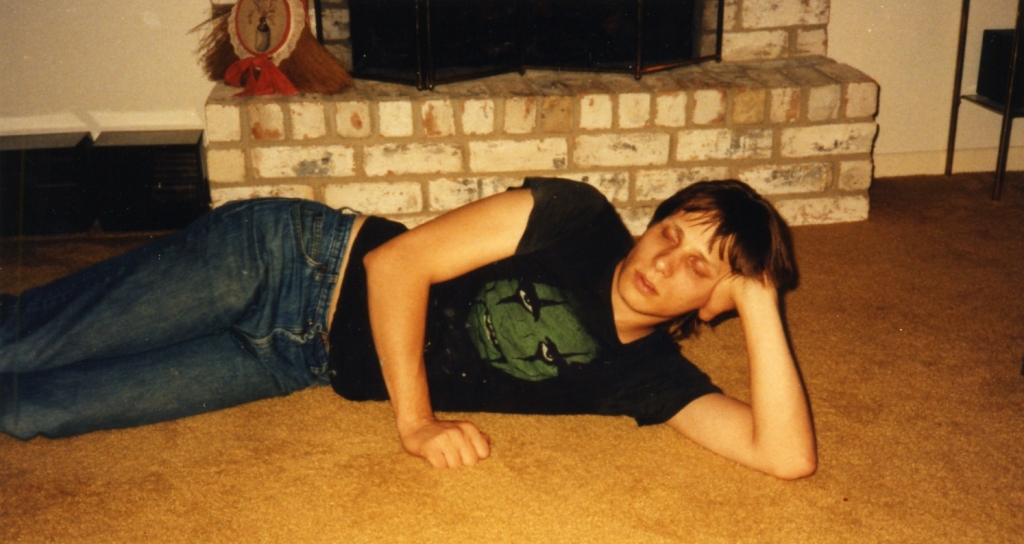
Dave wearing an Alice Cooper t-shirt that he printed with his kit. (He hand-detailed the white elements.)
Enter: 3D Emblem
After moving to Texas at the urging of his cousin Fritz, a broke and newly married Gardner found himself living in a 1968 Scotty trailer parked in Fritz’s in-laws’ driveway. He was printing by hand in a half-legit Arlington shop—opened by the owner of a Dallas print business solely to put his stripper girlfriend on the payroll without his wife finding out. Then one day, Gardner spotted an ad: Harley-Davidson T-shirt artist wanted. That was 3D Emblem.
He showed up for the interview with a portfolio of oil paintings, illustrations, and airbrush work. Steve McDonald hired him on the spot for $6 an hour.
3D was a wild place in the early ‘80s. Smoking in the darkroom. “There was no original piece of art,” Dave said. “You’d do a line drawing, then cut every color out by hand. Some of those 3D shirts took 80 to 100 hours.”
Gardner and McDonald became a dynamic creative duo with an unspoken rivalry to outdo each other. They both wanted to churn out the next best-selling shirt. Steve leaned on pencils and hogs; Dave was more painterly, given his airbrush background. He was always trying to channel something Americana and blue-collar. He imagined the Harley rider not just as an outlaw, but as a vet, a family man, someone whose bike was the most expensive thing he owned.
Gardner’s innovation came in how he handled color. Long before it was named, he was pioneering simulated process—layering wet-on-wet inks to create lifelike, photographic prints on dark garments.
“It still wasn’t called simulated process at the time. It was just what I did.” The term wouldn’t emerge until the 1990s, but more on that later.
His separations weren’t digital. They were done in the darkroom—manually, by feel. “It was a process I invented myself. I couldn’t teach it.”
In terms of prints popping on black t-shirts, Gardner and McDonald are widely credited as having “cracked the code.” One key factor in making prints shine on black t-shirts was using a single ink color as a base for the rest of the design.
The two of them had a running joke around the office, referring to this layer as “Under base.” Dave still chuckles about it today, recalling how it would frustrate co-workers who didn’t think it needed to be called both “under” and “base,” as the terms meant the same thing. Lo and behold, the term stuck, and most printers still use it to this day.
The under-base technique was the foundation-footing that would quietly change the industry.
So What is Simulated Process?!
I still couldn’t wrap my head around how 3D Emblem’s prints looked so lifelike, so I asked Dave to explain it—after all, he was the first to pull it off in 1983.
“Simulated Process was developed as a way for screen printers to reproduce brightly colored photos and Illustrations on dark colored t-shirts. Unlike four-color process which makes use of transparent CMYK inks (and is reserved for white fabrics), Simulate Process relies on opaque inks printed wet on wet over a flashed base print; or ‘underbase’. The separation channels are continuous halftones and each plate is assigned a specific PMS number. The total number of these “spot colors” is determined by the color separator and can range from 6-18+ colors depending on the number of printheads on any given screen print machine,” he explained.
In 2024, Gardner was honored with a Lifetime Achievement Award at the Impressions Sportswear Show for inventing this method.
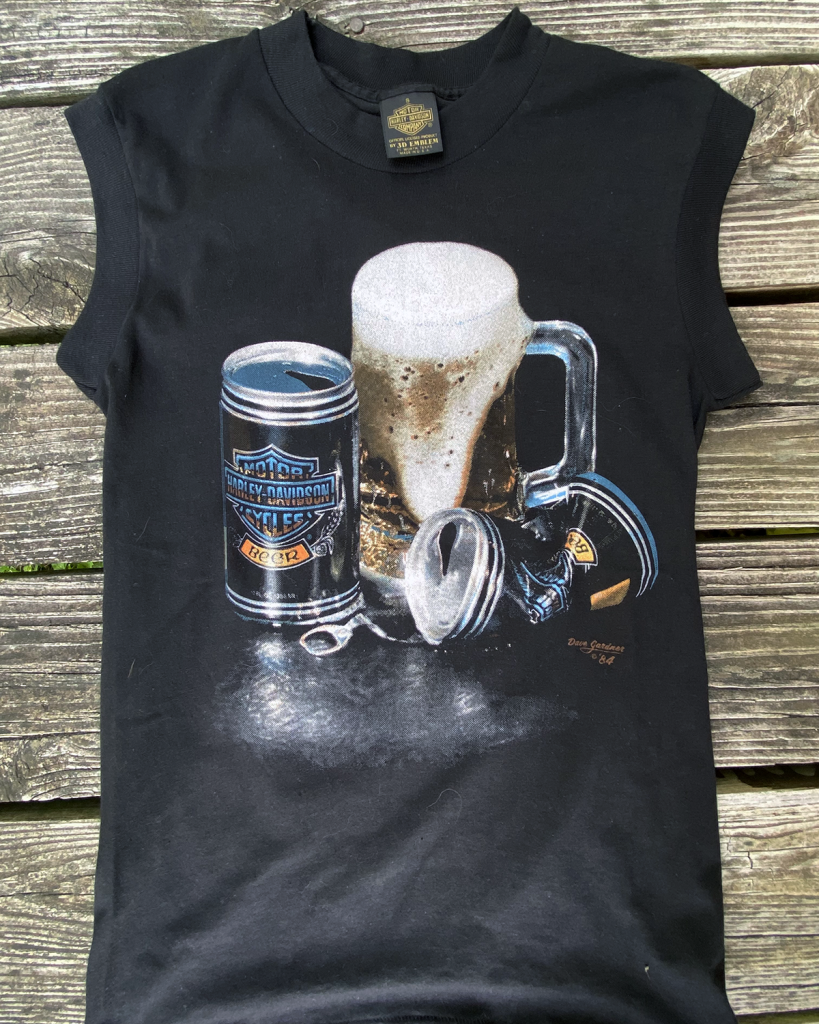
This Harley t-shirt is the first example of a Simulated Process print.
The Jim Want Era
No story about 3D Emblem—or screen printing’s wild west years—would be complete without talking about Jim Want.
If Dave Gardner and Steve McDonald were the artists and technical gurus, Jim Want was the chaos engine behind it all. A former gas station owner who went on to run a chain of coin-operated laundromats, Want somehow found himself running one of the most iconic T-shirt companies in the world without ever meaning to. As the lore goes, Jim traded his shrimp boat for ownership of 3D Emblem. At the time, it was operated by a WWII veteran named Tyrone Powell, who had owned 3D Emblem since 1952.
His path to 3D Emblem was as improbable as it was legendary.
Dave likens Jim to Forrest Gump—a man who just happened into every major turning point. He may never have invested in a fruit company (Apple), but he did invest in a little start-up lawn care company. Want ended up demanding his investment back before the company exploded in value. It was called Weed Wacker.
But when it came to biker tees and gut instinct, he was all in.
One of the most infamous tales? A local biker gang called the Skull Munchers commissioned custom tees from 3D. Because of a misspelling, the first batch ended up in the reject bin, only to eventually resurface in a flea market. When the MC noticed Joe Public walking around in their t-shirts, they weren’t too pleased. Instead of dealing with it civilly, they stormed the office, threatening staff and intimidating Jim. They wanted payback and wanted the prints destroyed.
Jim’s response: he put a bounty on his shirts.
He offered cash to anyone who could track down the shirts that had already been sold and bring them back—just to keep them out of circulation.
Then there was the time he ticked off the Banditos. Jim once sold a pile of old wooden screens to a local printer, never mind that he hadn’t reclaimed the mesh. So picture this: an old pickup bouncing down the highway, bed full of screens, one of them still burned with the Bandidos artwork. Needless to say, the motorcycle gang wasn’t amused.
And so, before you knew it, Jim was packing a .44 Magnum in a leather holster around the office—because you never knew who might walk through the door.
To this day, Gardner still shakes his head in disbelief at how Jim operated. He’d ignore cease-and-desist letters from Harley-Davidson until Dave and Steve practically begged him to go legit.
When Harley offered a licensing deal—a $10,000 advance against royalties—Jim’s gut reaction was to tell them to shove it.
“Look at this,” he barked, waving the letter. “They want me to pay them ten grand? Screw that!”
He was proud. He was stubborn. But to his credit, he eventually listened. The Harley deal went through, and 3D exploded.
The shirts. The brand. The mystique. They all carried a bit of Jim’s firepower.
As Gardner put it, “Jim Want wasn’t just a guy running a T-shirt company—he was a living, breathing piece of the mythos.” He had that wild, unshakable confidence you only find in someone who’s wrestled with biker gangs, run a shrimp boat, and still had time to gamble on T-shirts. And to his credit, he never hovered—he let the artists run wild, trusting they knew how to make something that would sell.
Fallout, Body Graphics, and Holoubek
When Dave left 3D, he carried the simulated process knowledge with him. He co-founded Body Graphics and churned out more iconic designs.
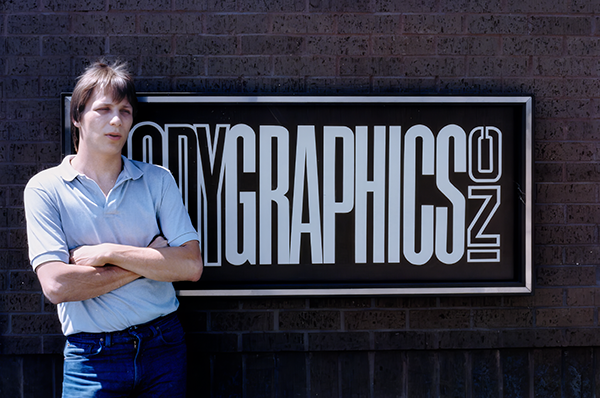
Dave at Body Graphics HQ
Boris Vallejo’s fantasy art was their top seller. Vallejo was a notable reference point for Dave, but he never tried to mimic him or anyone else. “I didn’t want to do what other people were doing,” he said. “I didn’t really have heroes in that sense.”
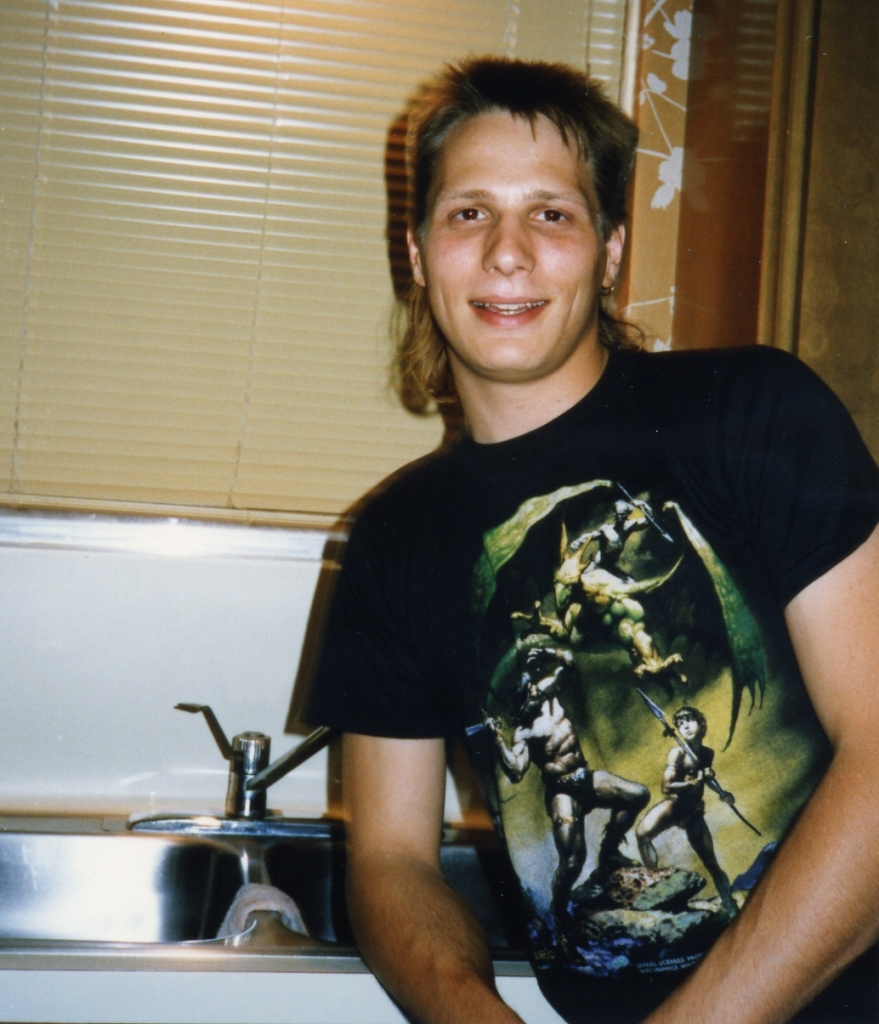
Dave wearing a classic Boris Vallejo art print, one of many Body Graphics produced.
After eighteen months at the struggling start-up he entered a deal with Verne Holoubek, who had been trying to recruit Gardner for a long time.
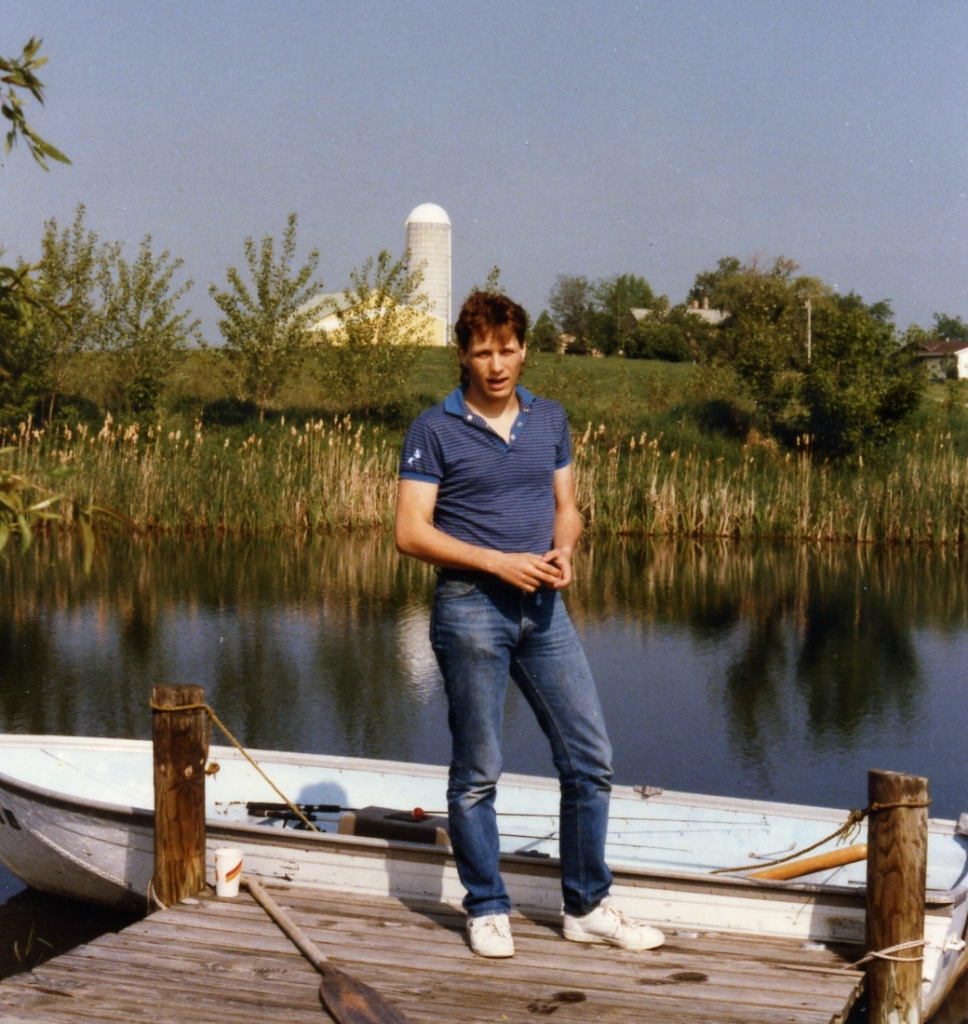
Dave at the Holoubek farm after inking his deal.
Dave had created a process that others were still trying to figure out. At Holoubek, he was not only designing but also overseeing production of his work—approving shirts, making real-time tweaks, watching the ink behave on press. But the tension of being an employee didn’t sit well.
“I didn’t want to work normal hours,” he admitted. “I preferred working at night, when nobody was around.” Eventually, he shifted to contractor status—independent in spirit, just the way he liked it.
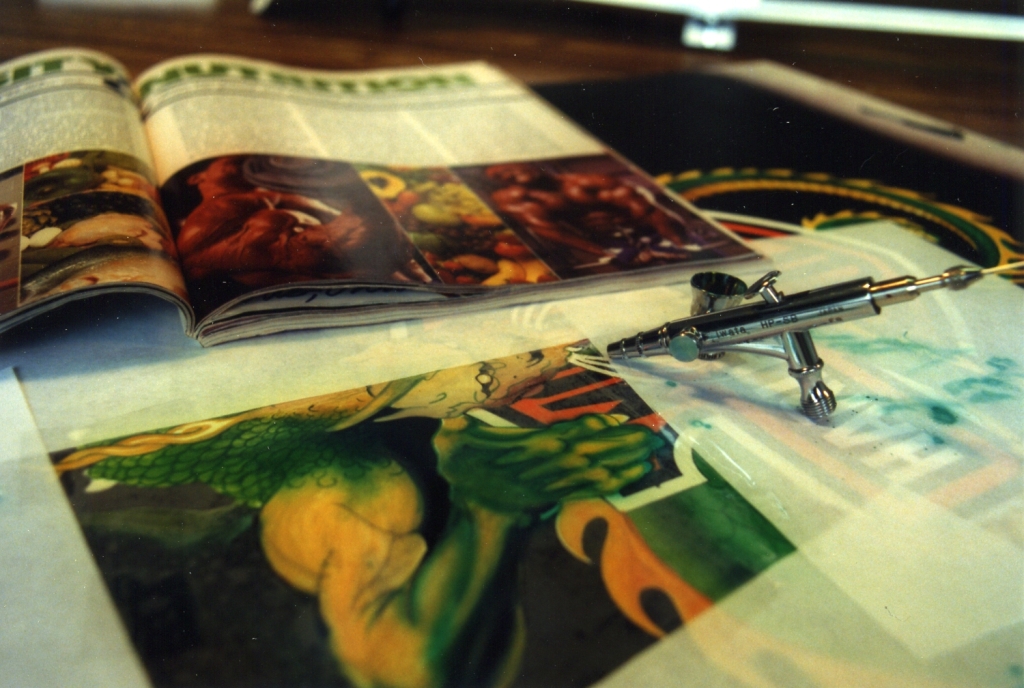
Holoubek and Harley airbrushed art in progress.
Dave predicted a trend toward tattoo-esque designs and went all in creating more legendary Harley prints. The designs sold, but the spark was fading. He would also realize that neither Holoubek nor Harley had his back, despite years of creating wonderful designs that resulted in large profits for them.
At one point, Dave found himself on the wrong end of a lawsuit from a real-life biker named “Munchkin.” Munchkin was claiming his likeness had been used in the famous Mount Rushmore parody Harley tee. Dave had never heard of the guy. But the truth was, the look—leather cap, big beard—was practically every biker in America at the time.
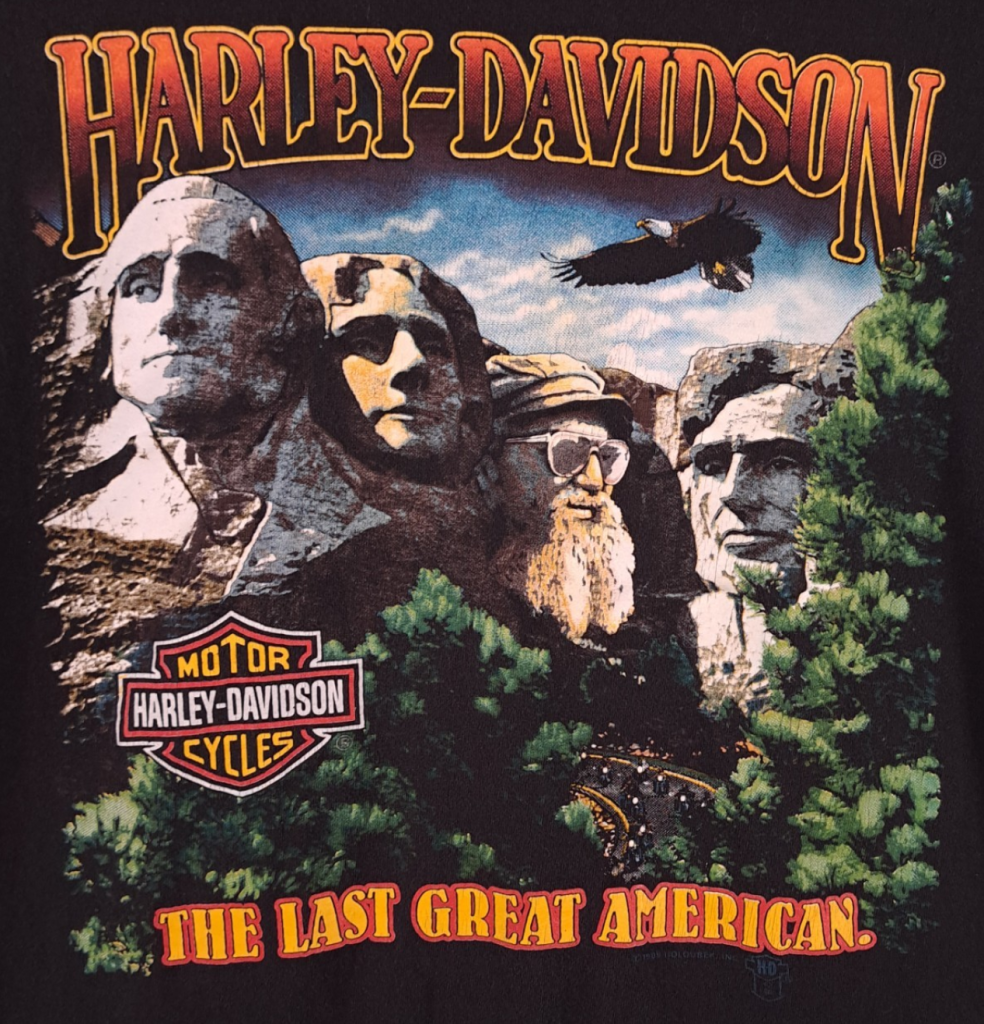
As a freelancer, Dave had naively signed a contract that, in the fine print, let Harley and Holoubek wash their hands of any legal fallout from his art. So, when Munchkin came calling, it was Dave—not the big companies—who was on the hook. He tried levelling with Munchkin, pointing out that if he goes after Harley, it would just trickle down to him, the artist, who doesn’t have lawyers on retainer, insurance, or millions of dollars on standby.
In the end, Munchkin agreed to settle. For the price of 200 T-shirts and a letter claiming the artwork was his likeness (it wasn’t), the lawsuit vanished. But the ordeal left its mark. When the heat was on, the big corporations backed away, leaving the artist to fend for himself.
Dave walked away with gratitude, but “Munchkin-gate” made one thing crystal clear: if he was going to survive in this business, he’d have to do it on his own terms.
“Is this what I want to do for the rest of my life?” he asked himself. The answer, eventually, was no. He had ridden Motorcycle-themed art into the ground, and it was time to put it in his rearview mirror.
Gardner’s Harley-Davidson t-shirts didn’t just sell—they became part of the culture. Here’s a small sampling from a body of work that remains unmatched.
The NFL Meeting, New Buffalo, and Gardner Graphics
After moving back to Buffalo to raise his son around family, Dave got itchy. He needed something new. A call to an equipment rep led him to New Buffalo Shirt Factory, where owner Jon Weiss happened to be wearing one of Dave’s Harley shirts.
From that moment, the partnership was on.
They started with an idea: what if sports merch had the same bite as biker art? Black tees. Attitude. No team colors. The first piece? A self-portrait of Dave as a Raiders fan, Buck knife in his mouth.
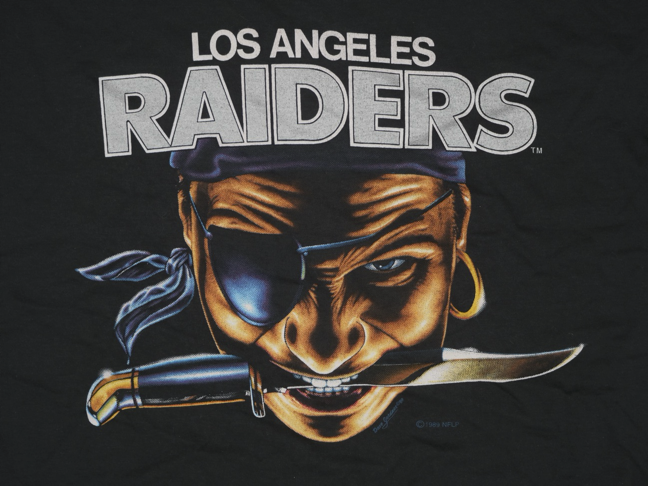
The inks were special. The process was tight. John wasn’t sure at first—until the twelfth shirt came off the press.
“We pulled it out of the dryer, both smoking Marlboro Reds, and I said, ‘There it is.’ John drove home, woke up his wife, and said, ‘We’re going to be rich!’”
They tried pitching the NFL through a client of Weiss, who already had an NFL comical-design shirt license. The licensing exec tore into them. “You think you can just walk into the NFL and just get a license!?” But on the way out, they stopped by the creative department. The designers loved it. They didn’t get the license right then and there—but the seed was planted.
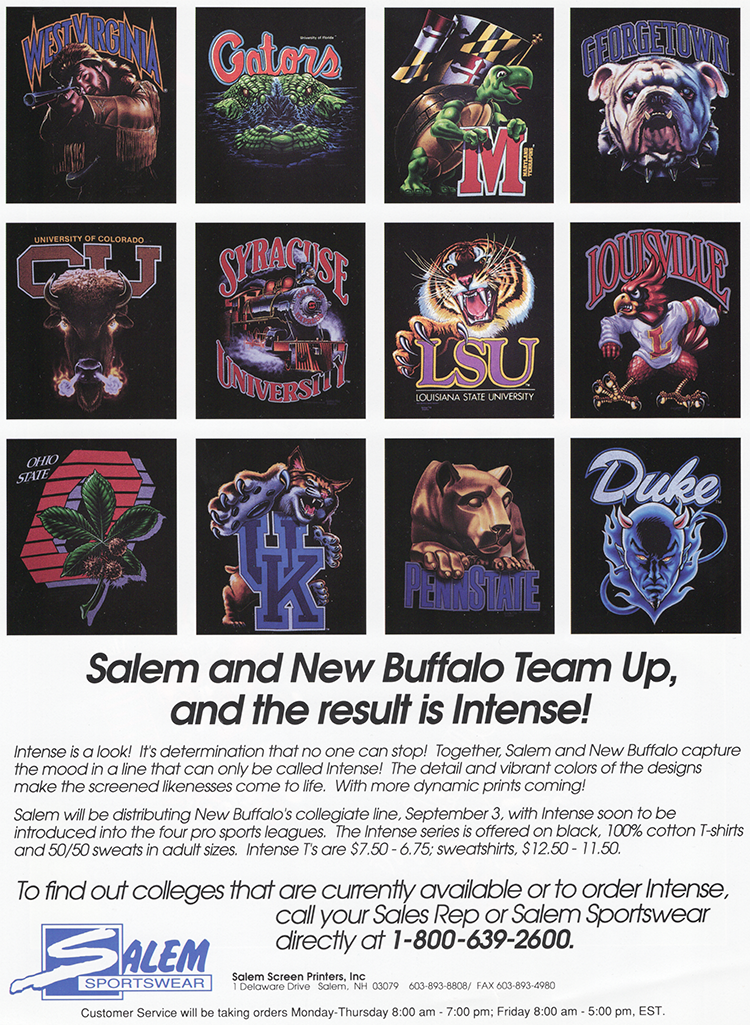
So, they pivoted to colleges. At the time, licensing was loose, and the opportunity wide open. The result was Intense Mascots—a line of bold, larger-than-life collegiate designs. Demand exploded, quickly outpacing what Gardner could create alone.
He called up a young Andy Wenner, who had once worked at Holoubek during Dave’s brief stint as art director. “I saw in Andy what Frank Palmer saw in me,” Dave recalls. With that call, Gardner Graphics was born. Andy, a talented but unpolished illustrator, moved from Milwaukee to Western New York and stayed with Dave until he found an apartment.
They set up a makeshift studio in Dave’s basement, spending ungodly hours at the airbrush while Pixies – Surfer Rosa/Come On Pilgrim played on loop, broken only by Rush Limbaugh at noon and the occasional blast of The Replacements. “Andy and I would each do an airbrushed piece of art, then I’d separate them both,” Dave says. “It wasn’t long before Andy became a master illustrator, which let me focus more on perfecting simulated process.”
They knew they were onto something—but had no idea how big—until they hauled Intense Mascots to a cheap corner booth in the basement of Chicago’s McCormick Center for a sporting goods show. The crowd swelled so much that Salem Sportswear took notice and offered a distribution deal under their professional sports licenses.
With success building, Dave kept a promise he’d made years earlier. When he and his cousin Fritz had first moved to Texas—broke, newly married, and with no prospects—they made a pact: if one ever had the chance to hire the other, they’d do it. Dave now had that chance.
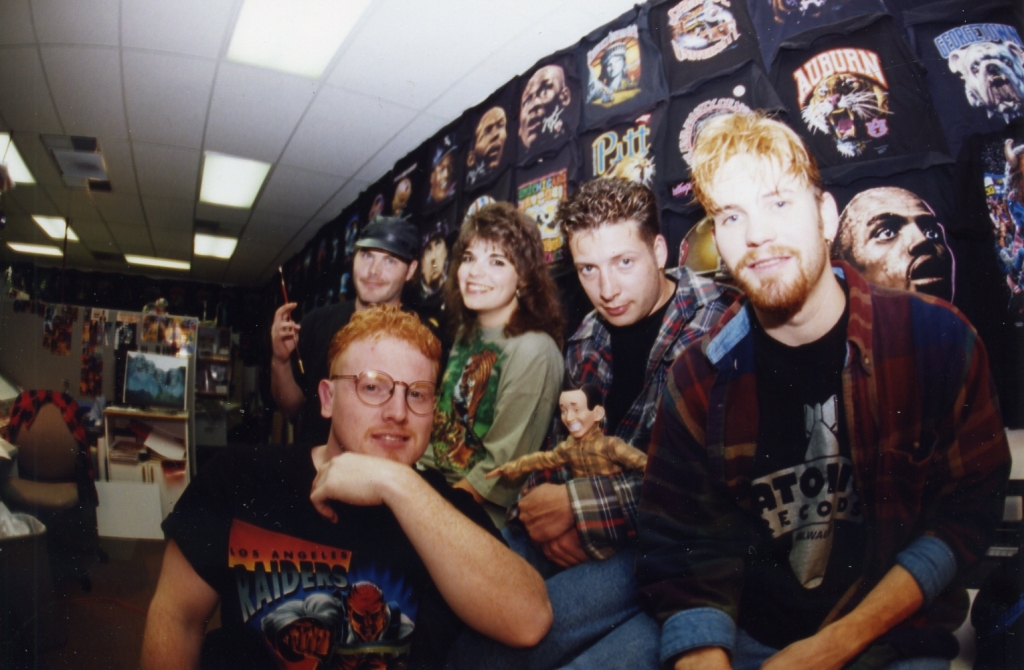
FRONT: Andy Wenner (left), Craig Howell REAR: “Stoner” (left), Cheri Bender, Wenner Back, Lance Irwin
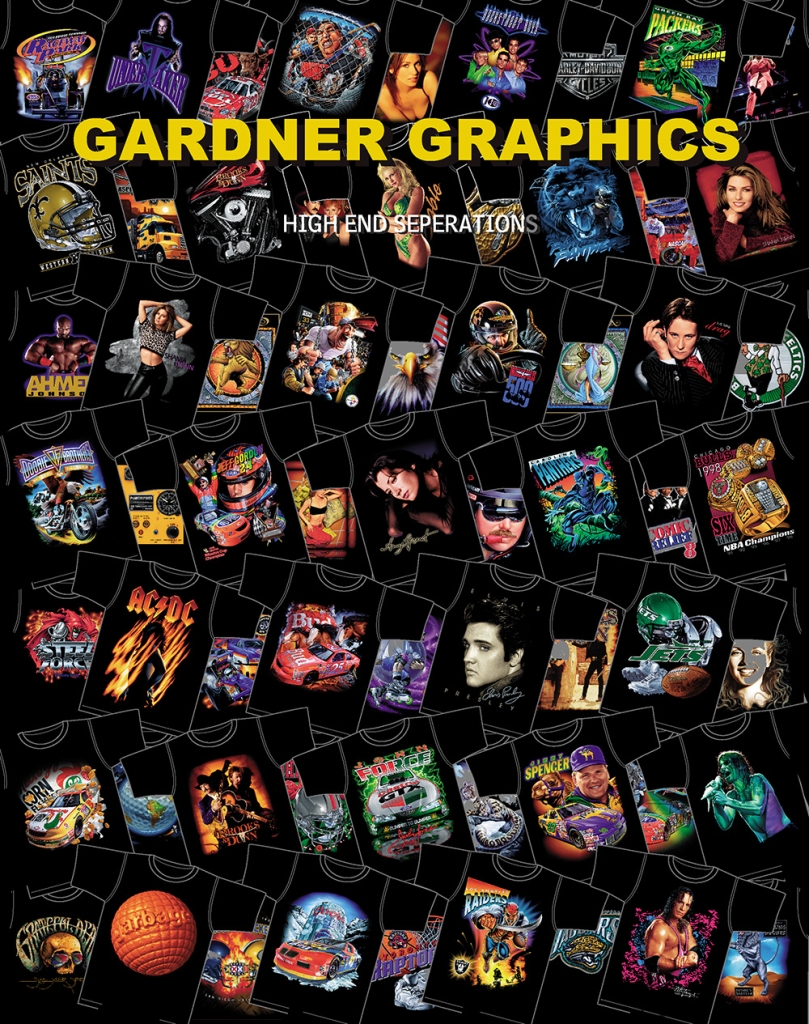
Over time, Gardner Graphics would become responsible for everything from NFL dueling helmets and championship rings to licensed shirts for the NBA, MLB, NHL, NASCAR, and the Quarterback Club. The team grew, stocked with talented entry-level artists trained under one rule: every design had to reflect the Gardner Graphics ethos. From 1990 to 1996, the Gardner Graphics “look” wasn’t just a style everyone else tried to copy—it was pop culture itself.
By the late ‘90s, corporate reshuffling—Salem becoming Pro Player, then Fruit of the Loom—started to sour the business. But Dave had a few more cards to play.
The Rock ‘n’ Roll Years
Next came music.
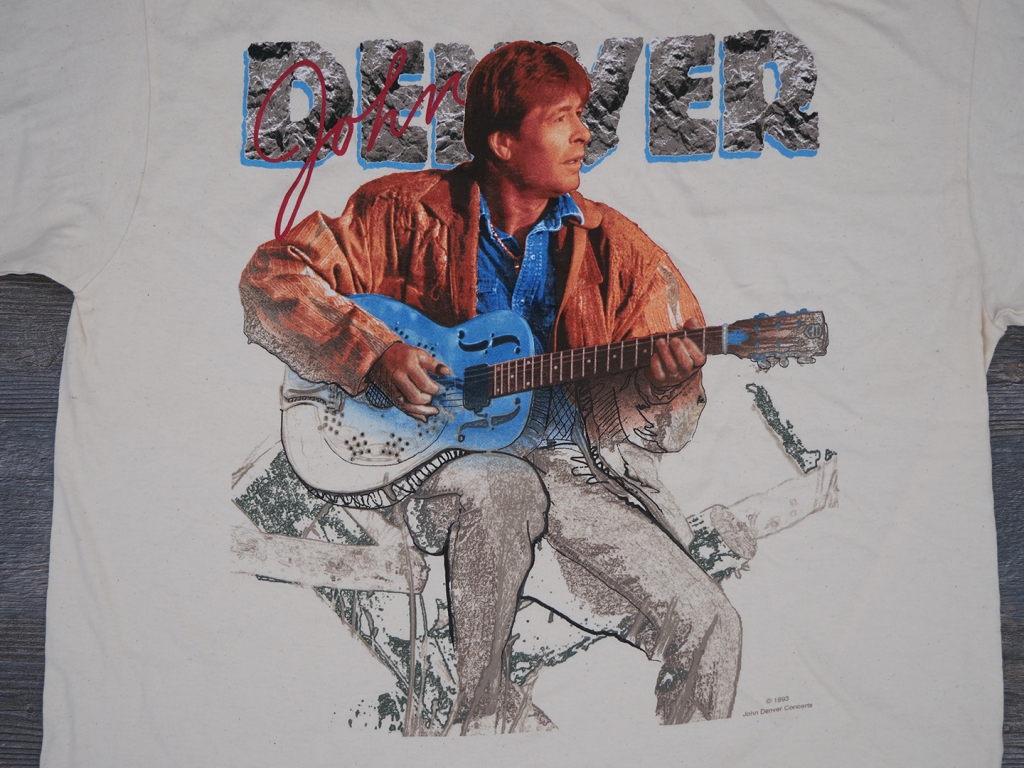
With Sony Signatures and other merch companies, Dave’s studio became the go-to for concert shirts in the ‘90s. Garth Brooks, Rolling Stones, John Denver—you name it, they printed it.
Garth’s line was deeply personal. Dave designed it all himself. He still regrets throwing away a handwritten thank-you letter from Denver, who said Dave had captured his essence. “At the time, he was just John Denver,” he said, shaking his head. “Then he died, and suddenly he was Woody Guthrie.”
Amphibious Outfitters
The saying goes, “Choose a job you love, and you’ll never work a day in your life.” Dave sees it differently: “Choose a job you love, and the thing you love becomes a job.”
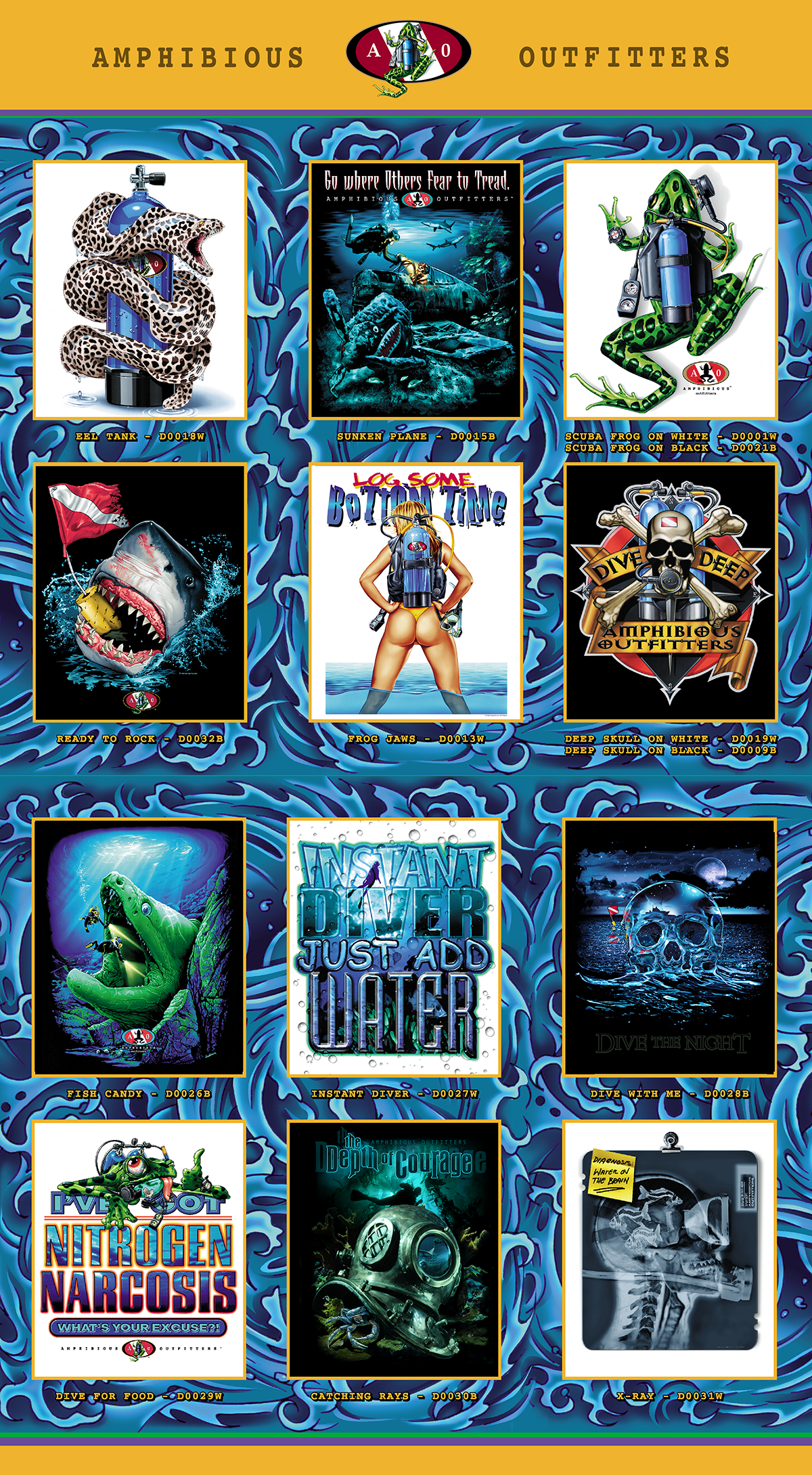
By the late ’90s, the grind was wearing on him, and he took up scuba diving as an escape. That’s when he realized—despite thousands of dive shops around the world—there was no strong branded T-shirt line for the diving community. So Gardner Graphics launched Amphibious Outfitters.
After years of designing licensed apparel with its creative restrictions, A.O. rekindled Dave’s passion for T-shirt art. Here, the only judge was the customer—and that freedom brought the joy back.
Disney Magic
Through a contact in Orlando, Gardner got a foot in the door with Disney Parks merch. They started small—ride-themed shirts, not core characters—and gradually pushed the creative envelope. One breakout design for kids featured stylized versions of Mickey, Goofy, and Donald: the dog, the mouse, the grump. When Disney’s adult buyer saw it, they moved it into the adult line.
Two weeks later, it became the best-selling shirt at the parks.
Then came the call: Disney was exercising their exclusive agreement with Fortune Fashion. Dave had to hand over the art. Just like that, years of building were erased.
He had to decide : shrink down, or sell.
Gardner Graphics Lives On
At the turn of the millennium, Gardner rolled Gardner Graphics into New Buffalo and had a new focus. Even as production shifted overseas, his impact endured. When New Buffalo was acquired by Gildan in 2013 he continued training artists, guiding teams, and refining a process he’d once invented in the darkroom.
And now, as digital art and AI swirl into the mix, he watches with curiosity—and skepticism.
“You can probably teach AI to do simulated process,” he said. “But you can’t teach it to care.”
Because caring is the difference, that’s why his Harley shirts fetch a premium on eBay. Why his NFL prints scream louder than the fans. Why even now, he still hasn’t retired from the t-shirt biz—just evolved.
Before there were direct-to-garment prints, automated separations, and digital film, there were artists like Dave.
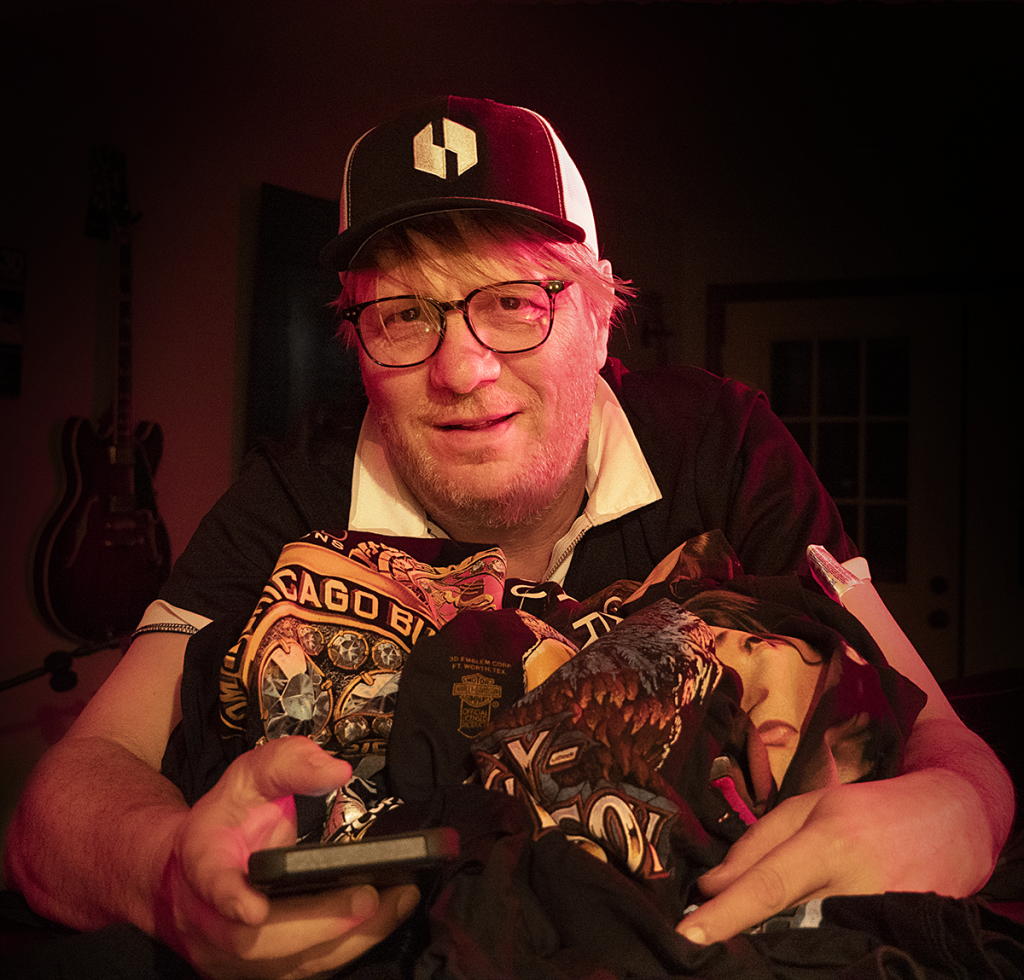

James, aka Jimmy J, founded Defunkd 21 years ago, and has been buying, selling, collecting and studying vintage t-shirts ever since. He's had a special interest in authenticity since 2010 when he created the blue print for the t-shirt authentication process. For more, check the history of Defunkd and Jimmy's Expertise.